Education kitsYahboomChina
DOFBOT
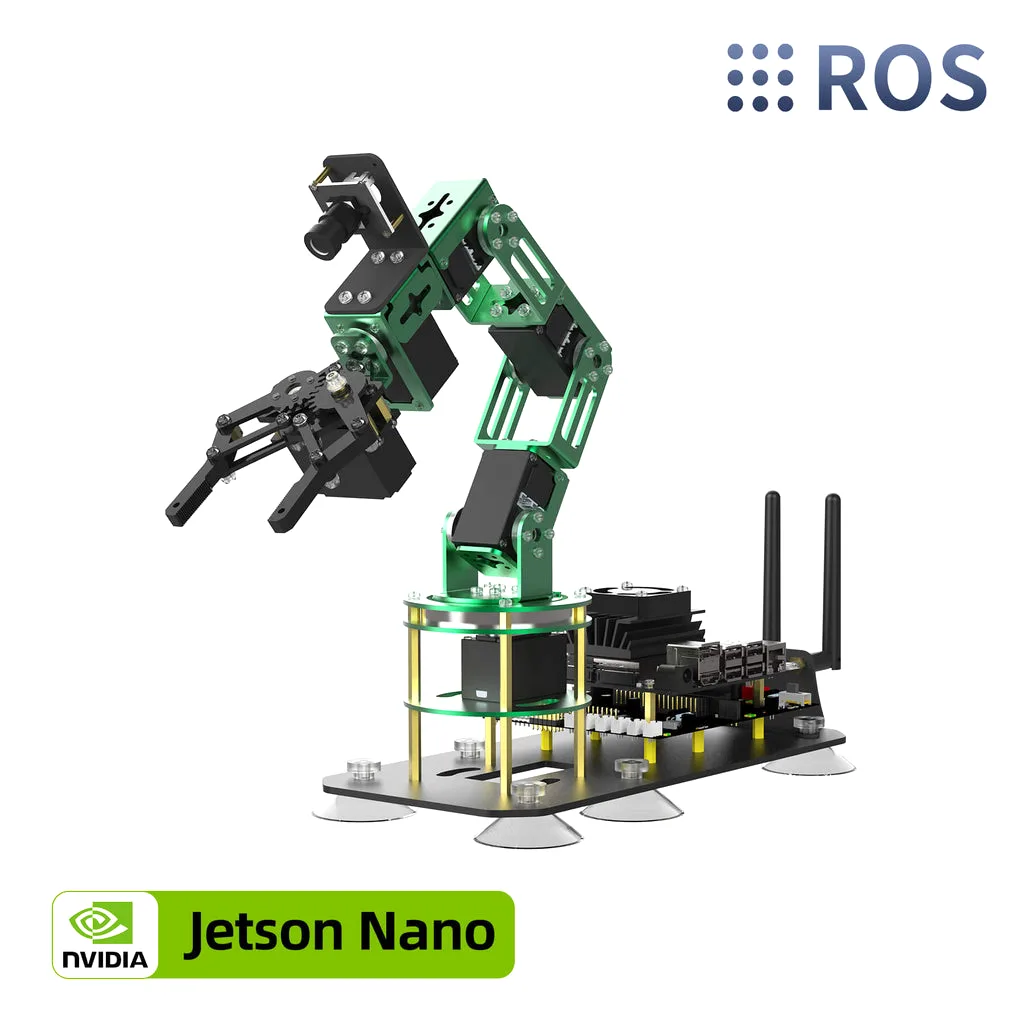
An educational 6-DOF robotic arm with an AI vision camera, built around Raspberry Pi or Jetson Nano. Metal-gear servos and an aluminum frame withstand intensive classroom use. Programmed in Python on ROS2 — from basic motion to color and gesture recognition and object sorting.
Specifications
- Degrees of freedom
- 6
- Actuators
- metal-gear digital bus servos
- Camera
- AI vision camera included
- Computing platform
- Raspberry Pi / Jetson Nano
- Programming
- ROS2, Python
- Structure
- aluminum alloy
Request catalog accessPrices — on request
Applications
- Robotics and programming lessons at schools
- Maker clubs and STEM labs
- University courses on ROS and computer vision
- Prototyping manipulation algorithms
- Robotics competition training
Alternatives
Similar models in our catalog
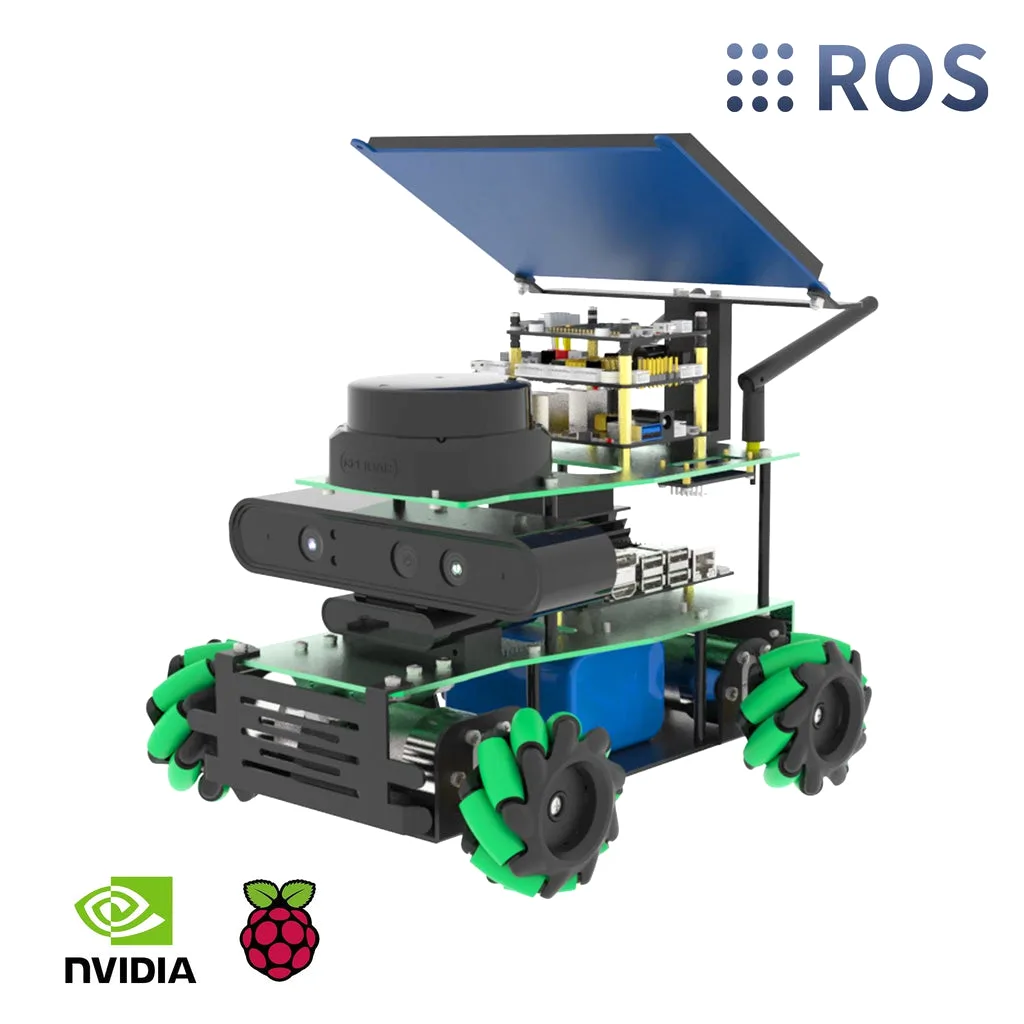 YahboomROSMASTER X3An educational wheeled platform on omnidirectional Mecanum wheels with LiDAR and a depth camera. Runs ROS2 on Raspberry Pi 5 or NVIDIA Jetson: mapping, autonomous navigation, human following and voice interaction. Ships with an extensive video course and open-source code.Open →
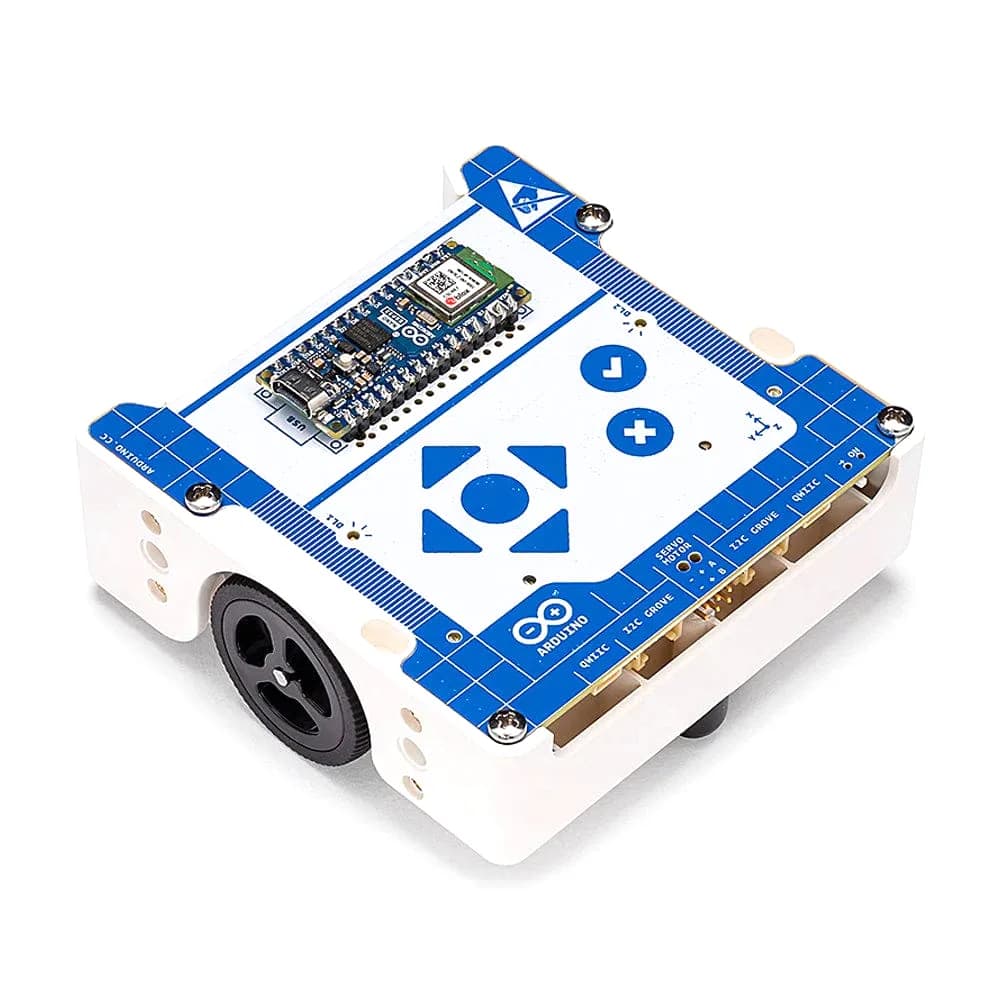 ArduinoAlvikEducational wheeled robot from Arduino Education built around the Nano ESP32 controller. Packed with sensors — distance, line following, color, inertial unit — and programmable in MicroPython, blocks or Arduino C. LEGO Technic mounts and Grove/Qwiic connectors leave plenty of room for expansion.Open →
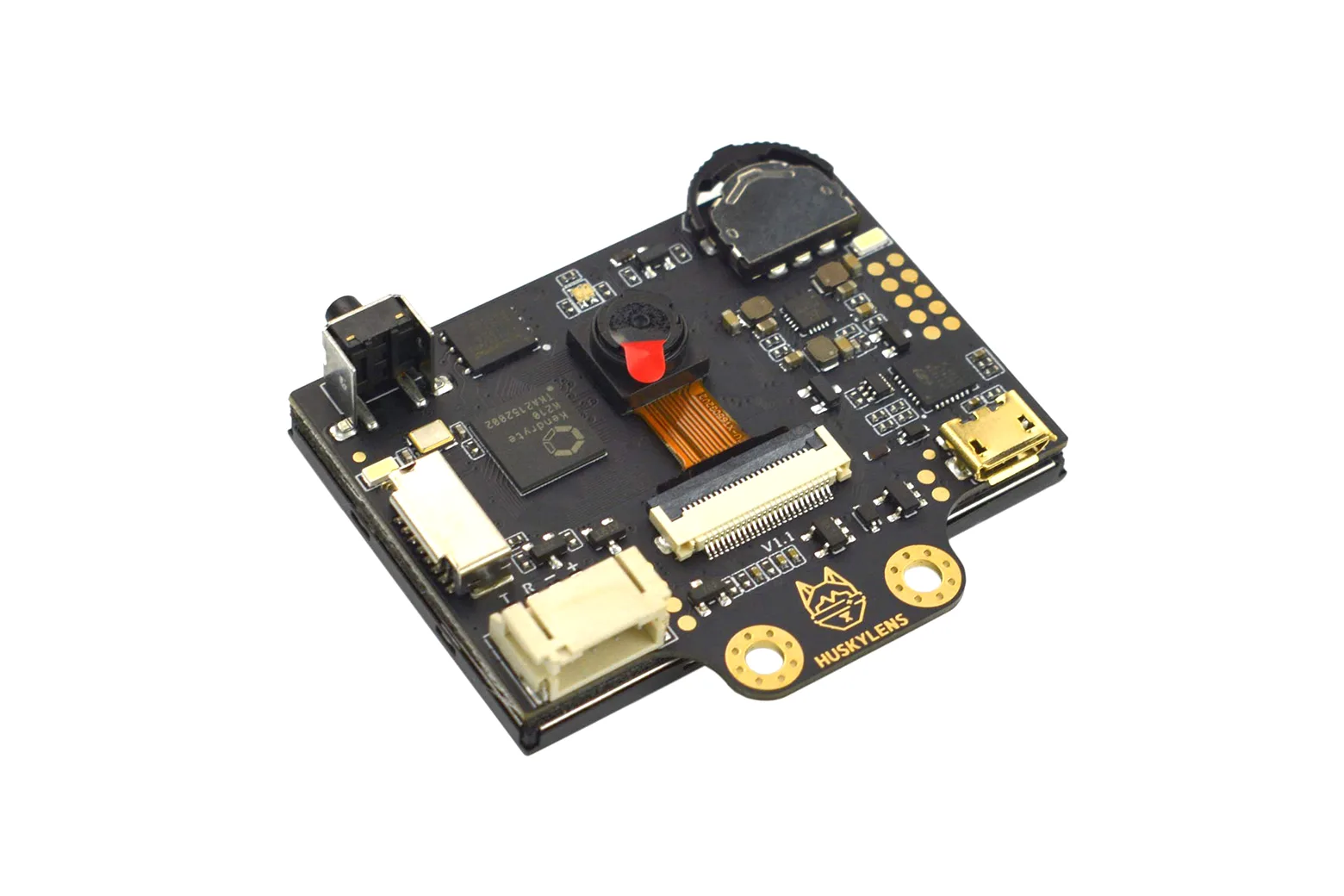 DFRobotHuskyLensCompact AI vision module built on the Kendryte K210 processor — camera, screen and ready-made algorithms in one device. Face, object, color and tag recognition run fully on-board, with no cloud and no neural-network coding. It connects to Arduino, micro:bit and Raspberry Pi, giving any classroom robot the ability to see.Open →
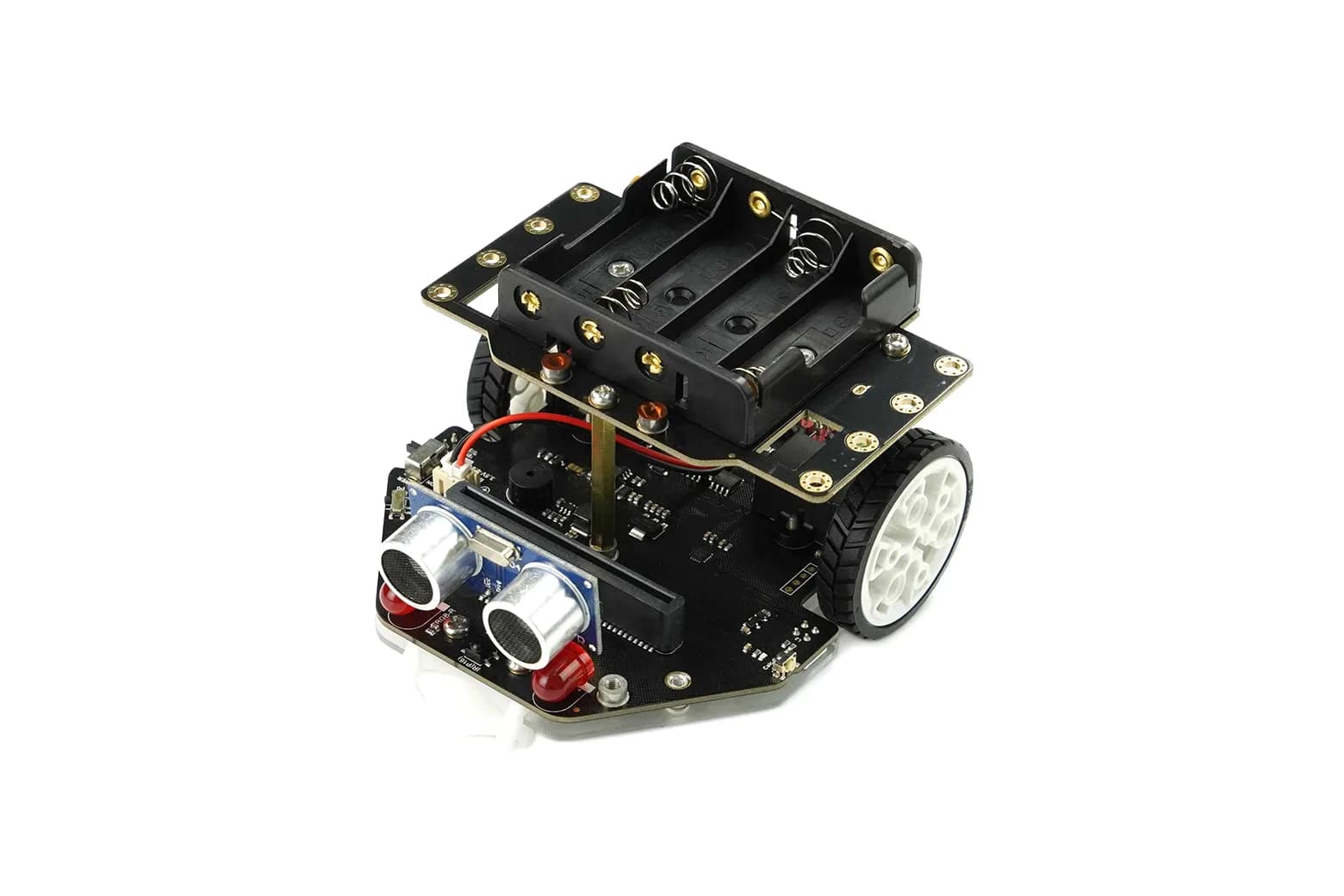 DFRobotmicro:MaqueenA compact wheeled platform for micro:bit by DFRobot. Slot the board in, and within minutes you have a programmable car with line sensors, an ultrasonic rangefinder and lights. An affordable, scalable option for classrooms already equipped with micro:bit boards.Open →