Education kitsArduinoItaly
Alvik
Educational wheeled robot from Arduino Education built around the Nano ESP32 controller. Packed with sensors — distance, line following, color, inertial unit — and programmable in MicroPython, blocks or Arduino C. LEGO Technic mounts and Grove/Qwiic connectors leave plenty of room for expansion.
Specifications
- Controller
- Arduino Nano ESP32 (ESP32-S3)
- Distance sensor
- ToF, up to 350 cm
- Sensors
- line, color, 6-axis IMU
- Power
- replaceable 18650 battery, USB-C charging
- Programming
- MicroPython, blocks, Arduino C
Request catalog accessPrices — on request
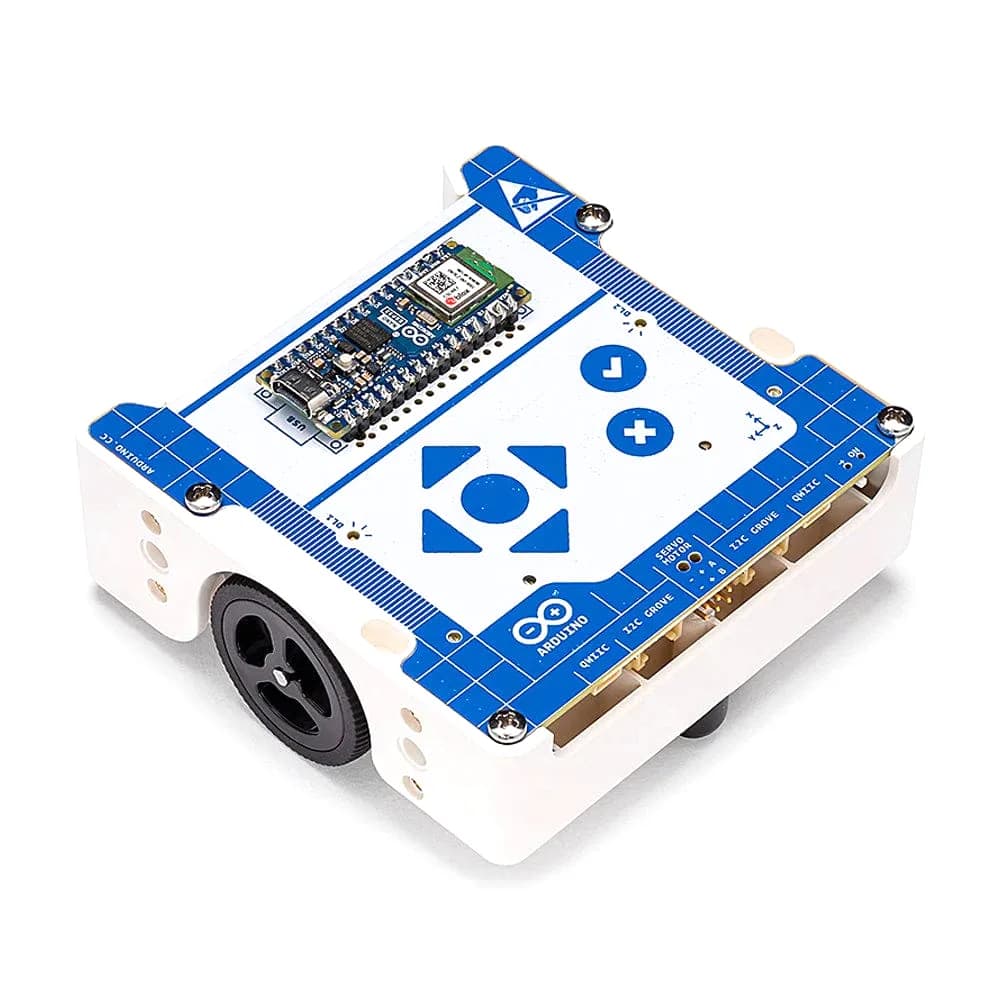
Applications
- MicroPython and robotics courses at schools and universities
- Line-following and obstacle-avoidance exercises
- Engineering projects with extra sensors and servos
- Clubs and hackathons: quick start with no soldering or assembly
Alternatives
Similar models in our catalog
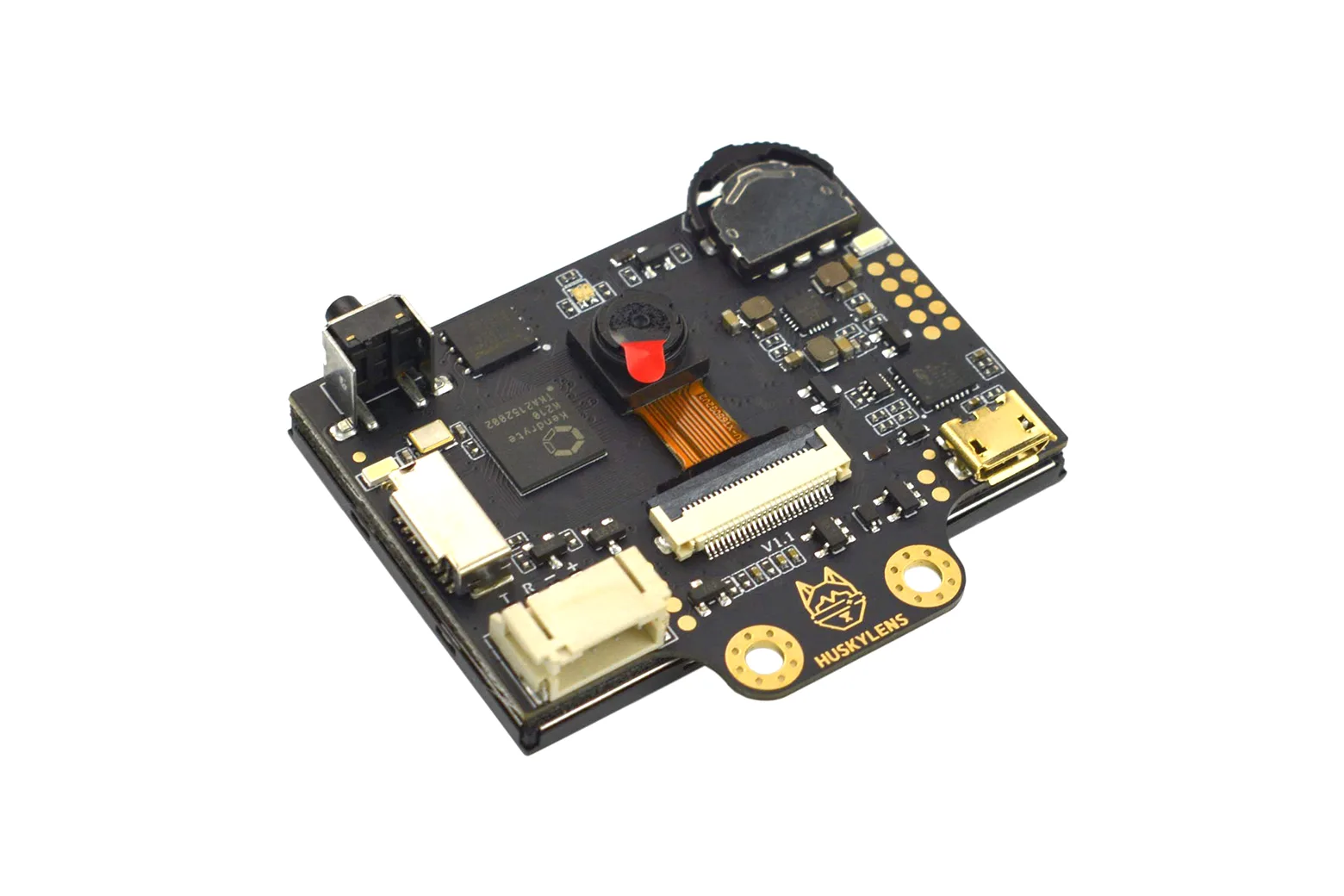 DFRobotHuskyLensCompact AI vision module built on the Kendryte K210 processor — camera, screen and ready-made algorithms in one device. Face, object, color and tag recognition run fully on-board, with no cloud and no neural-network coding. It connects to Arduino, micro:bit and Raspberry Pi, giving any classroom robot the ability to see.Open →
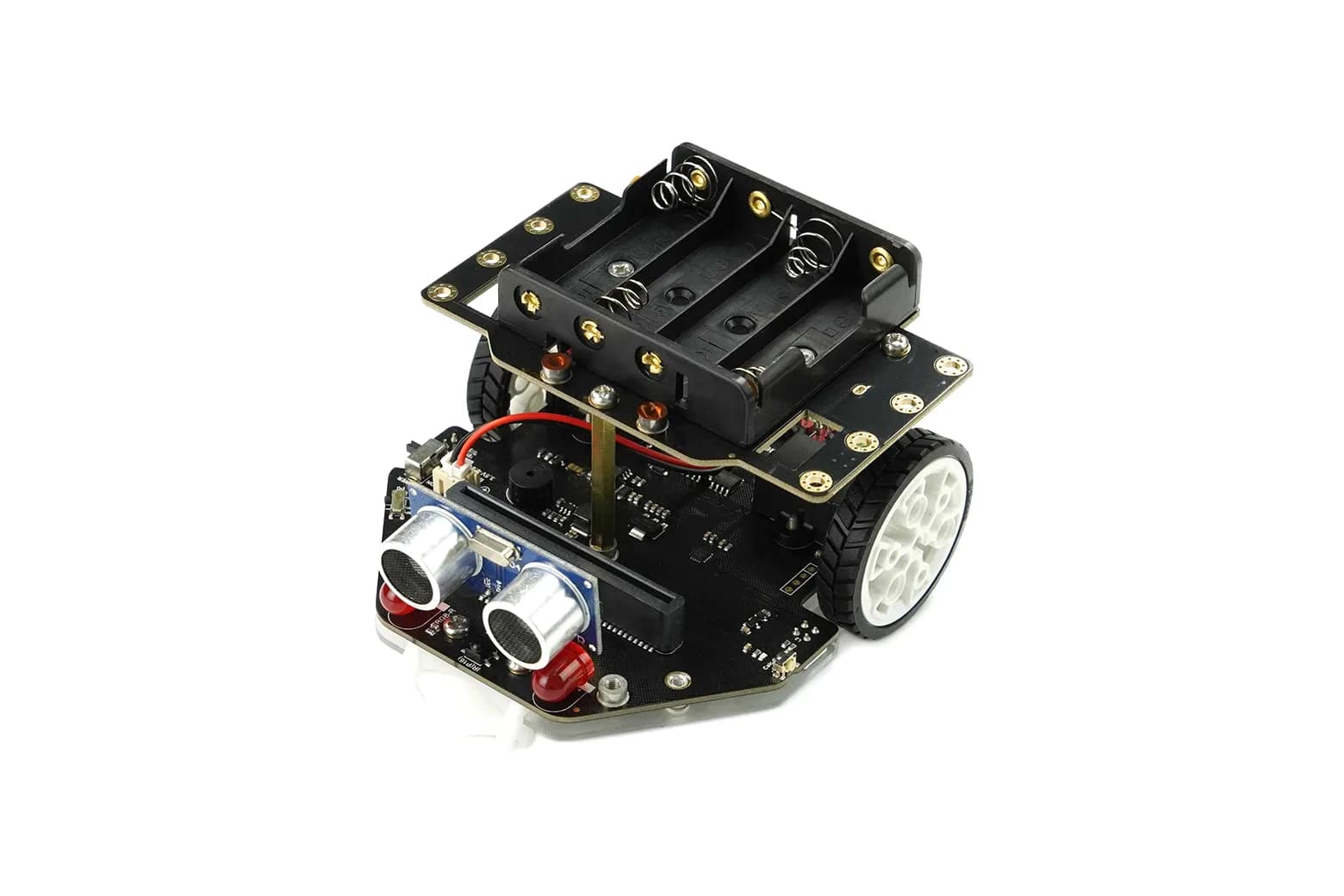 DFRobotmicro:MaqueenA compact wheeled platform for micro:bit by DFRobot. Slot the board in, and within minutes you have a programmable car with line sensors, an ultrasonic rangefinder and lights. An affordable, scalable option for classrooms already equipped with micro:bit boards.Open →
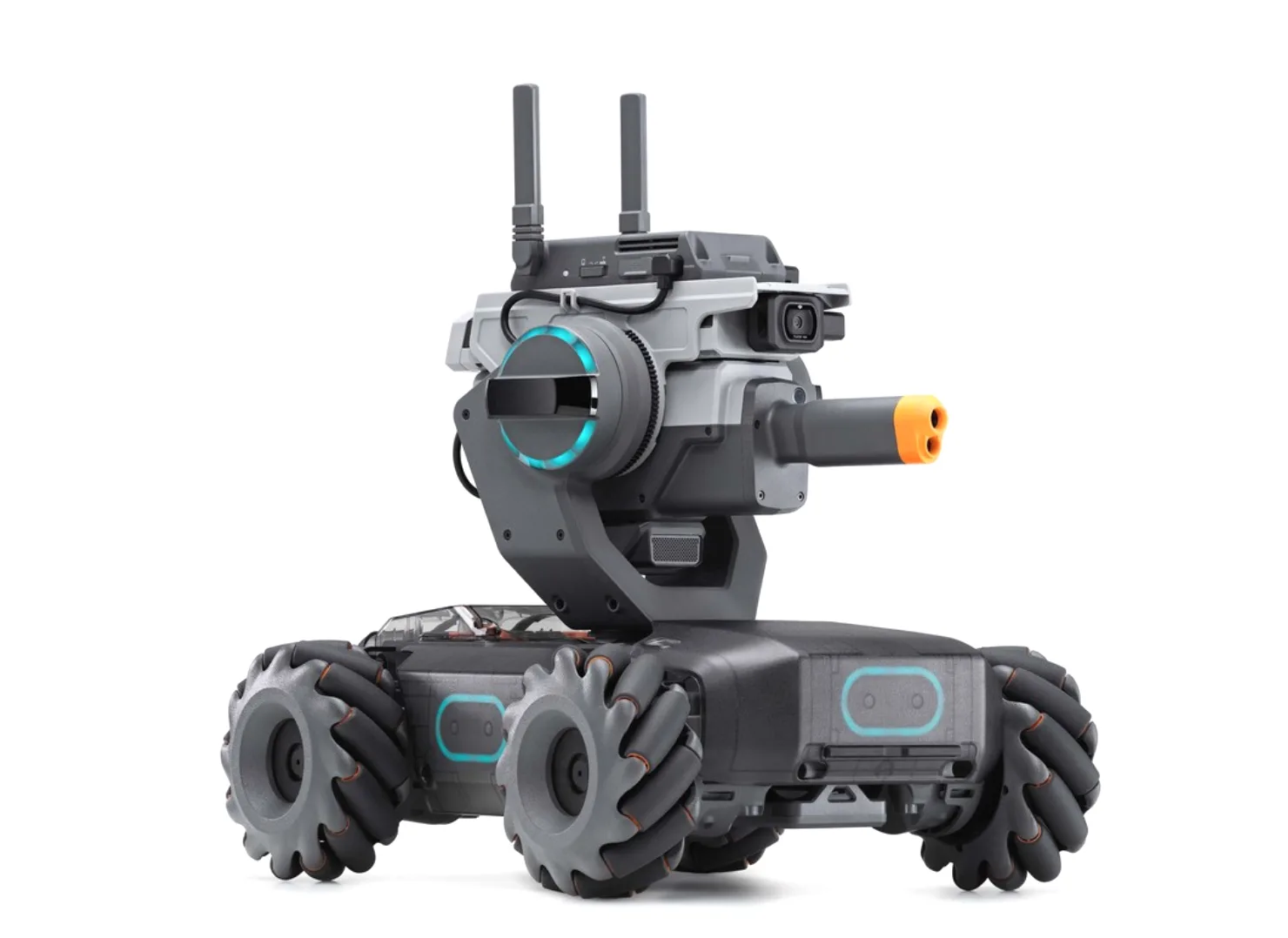 DJIRoboMaster S1DJI's educational robot platform that students assemble themselves from 46 components. An omnidirectional mecanum-wheel chassis, a gimbal-mounted camera and dozens of sensors turn Scratch and Python coding into hands-on engineering practice. The competitive battle format keeps classes engaged.Open →
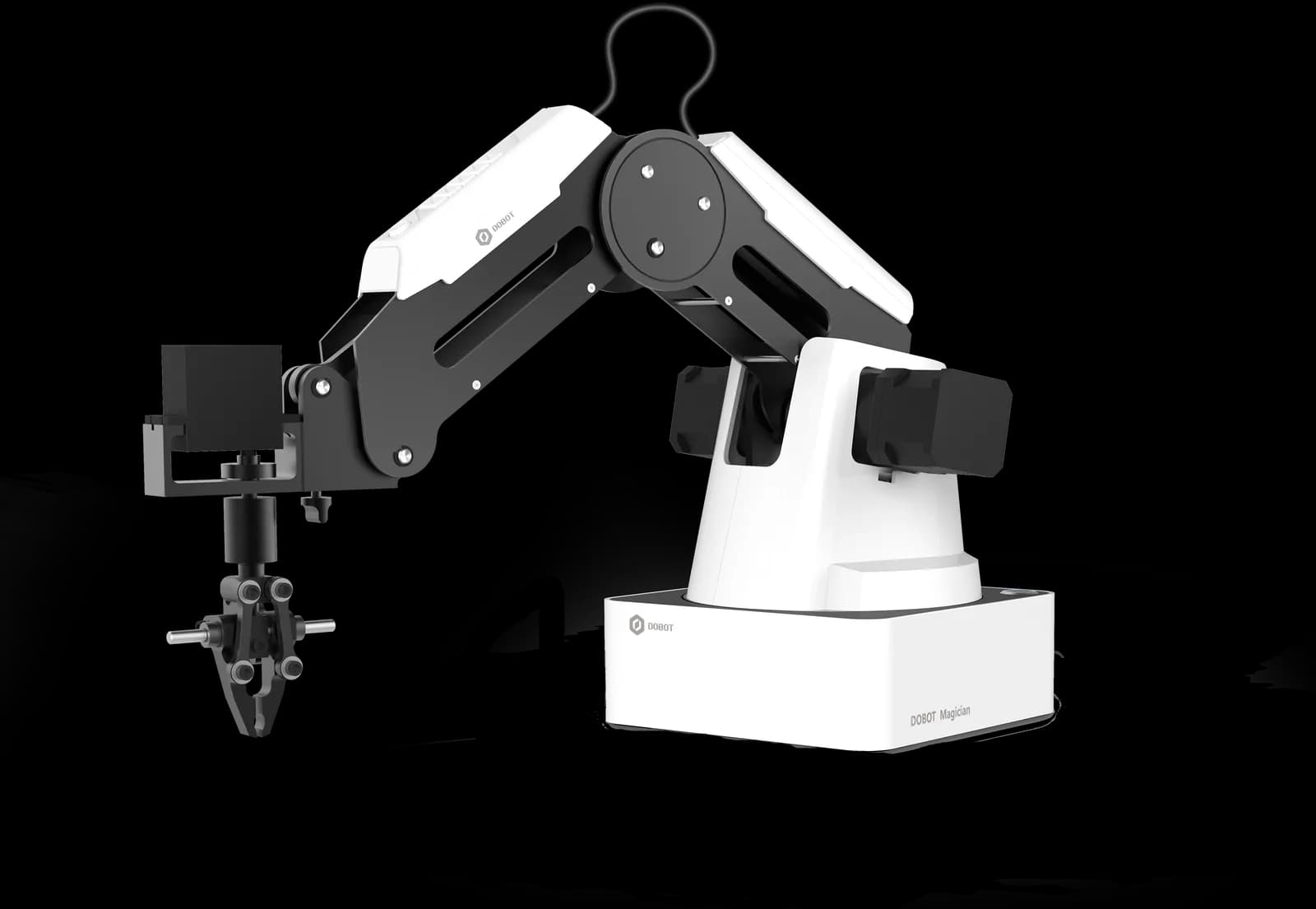 DobotDobot MagicianFour-axis desktop robotic arm that has become a standard in college and university robotics labs. Beyond pick-and-place it 3D-prints, laser-engraves and draws with interchangeable tool heads — one unit covers a whole set of disciplines. Its 0.2 mm repeatability gives students a realistic sense of industrial requirements.Open →