Education kitsRobosenChina
Interstellar Scout K1
A bipedal programmable robot with 17 servo motors and an aluminum alloy frame. It walks, keeps its balance and responds to 41 voice commands; programming is done via blocks, voice or direct joint positioning in the app. A practical tool for STEM classes and robotics clubs.
Specifications
- Servo motors
- 17
- Voice commands
- 41
- Height
- 349 mm
- Weight
- 0.94 kg
- Battery
- 2000 mAh
- Connectivity
- Bluetooth 4.2 (BLE)
Request catalog accessPrices — on request
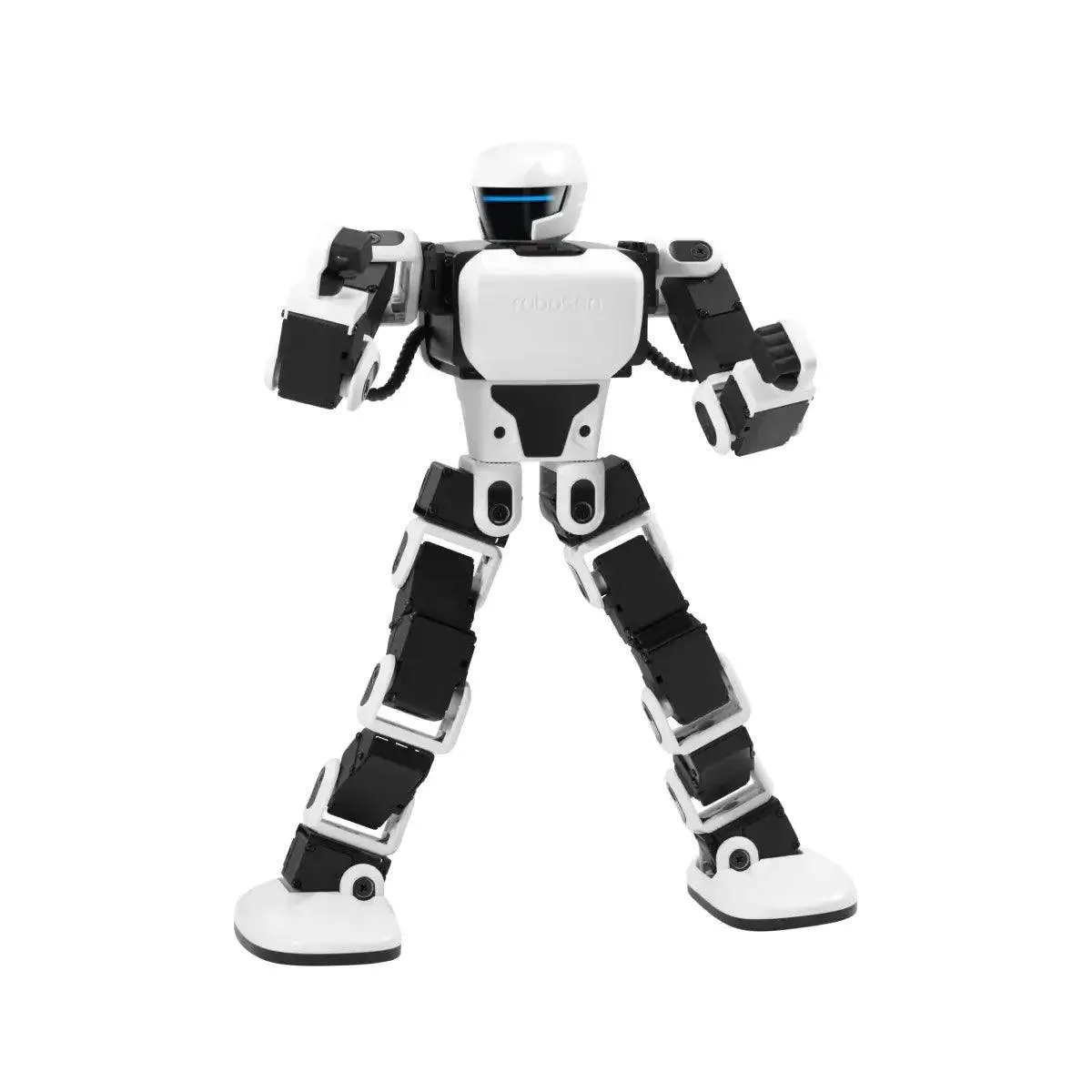
Applications
- Block-based coding lessons in middle school
- Robotics clubs: studying servo drives and bipedal gait
- Demonstrations at open lessons and STEM festivals
- Home learning of robotics fundamentals
Alternatives
Similar models in our catalog
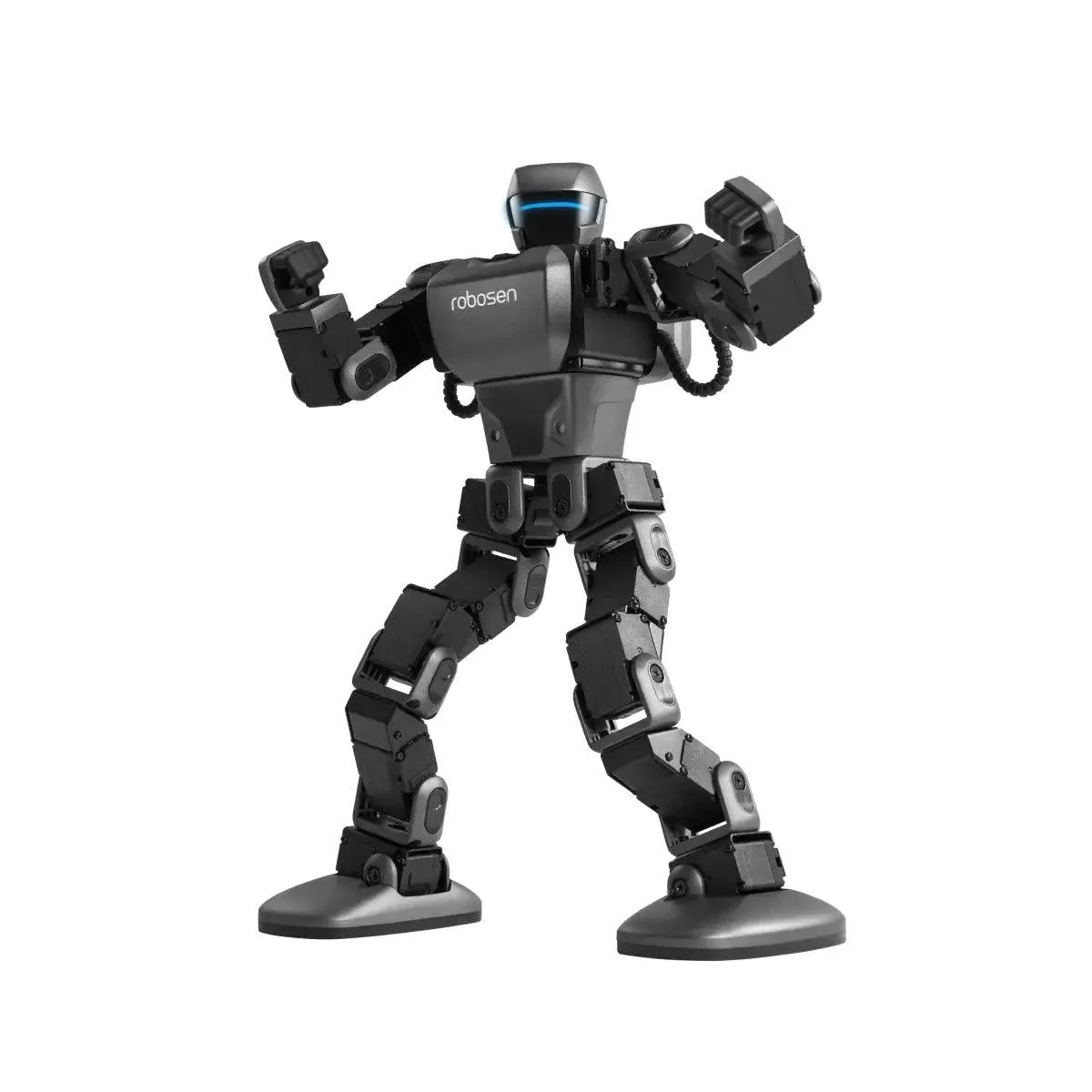 RobosenInterstellar Scout K1 ProThe higher-tier version of the K1 walking robot: the same 17-servo mechanics, but twice the voice commands (81), 75 pre-installed actions and an aerospace-grade body with a matte finish. Suited for classrooms that need a more expressive demo robot with an extended motion library.Open →
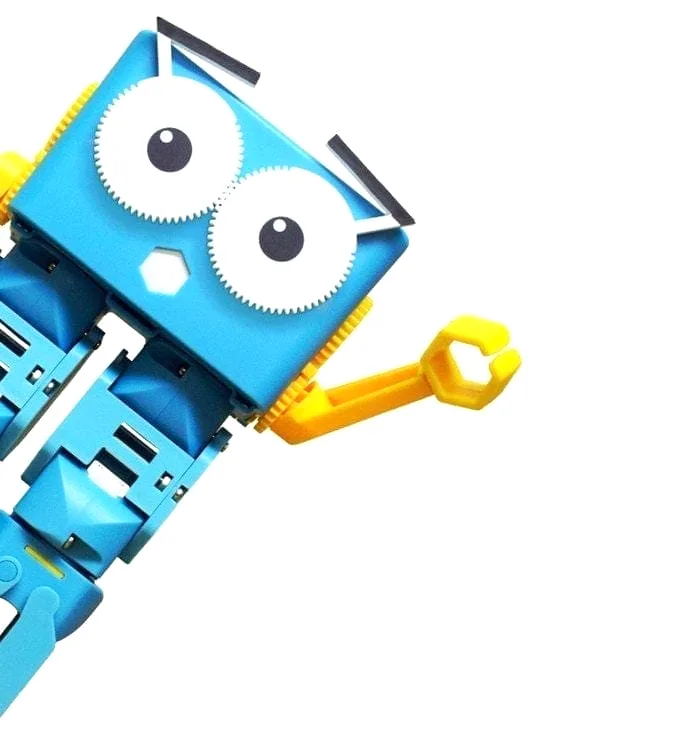 RoboticalMarty the Robot V2A walking humanoid classroom robot developed in Scotland. Nine servo motors give Marty a genuine gait: it walks, turns, dances and kicks a ball — holding children's attention better than wheeled platforms. Programmable from Scratch blocks up to Python, and expandable with Raspberry Pi and micro:bit.Open →
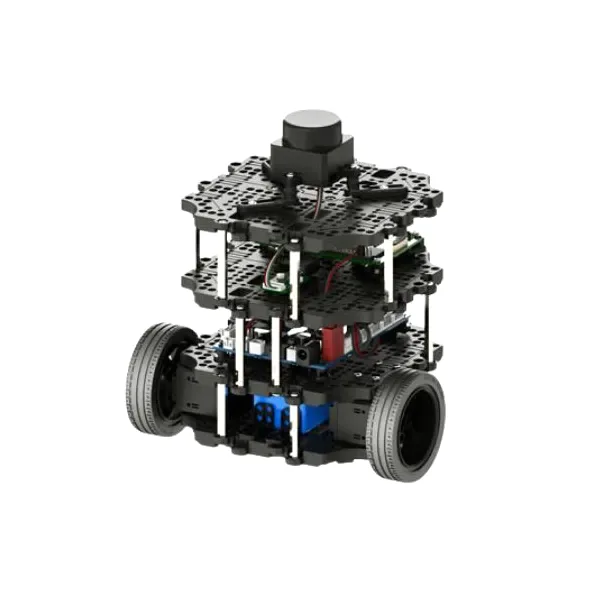 ROBOTISTurtleBot3 BurgerAn open ROS-based mobile platform — the de facto standard for teaching SLAM and autonomous navigation at universities. A 360° LiDAR, Raspberry Pi 4 and OpenCR controller in a compact 1 kg body; both hardware and code are fully open for modification. The backbone of lab courses and research prototypes.Open →
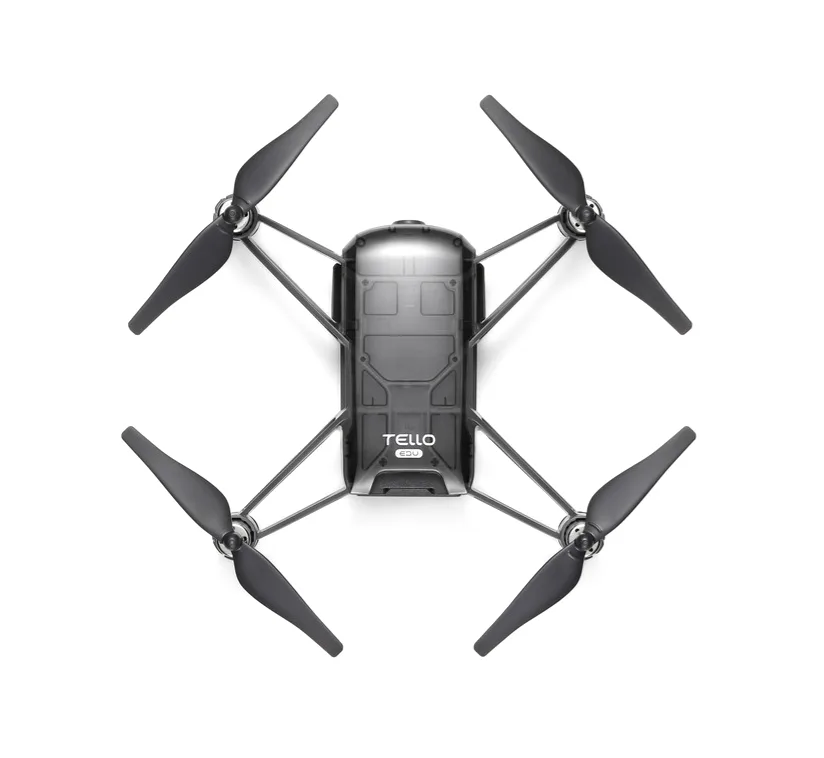 Ryze Tech (DJI)Tello EDUEducational mini-drone built on DJI flight technology specifically for STEM programs. It weighs under 100 grams, is classroom-safe and can be programmed in Scratch, Python and Swift — up to controlling a swarm of several drones. One of the most accessible ways to bring aerial robotics into a curriculum.Open →