Education kitsRobobloqChina
Q-Scout
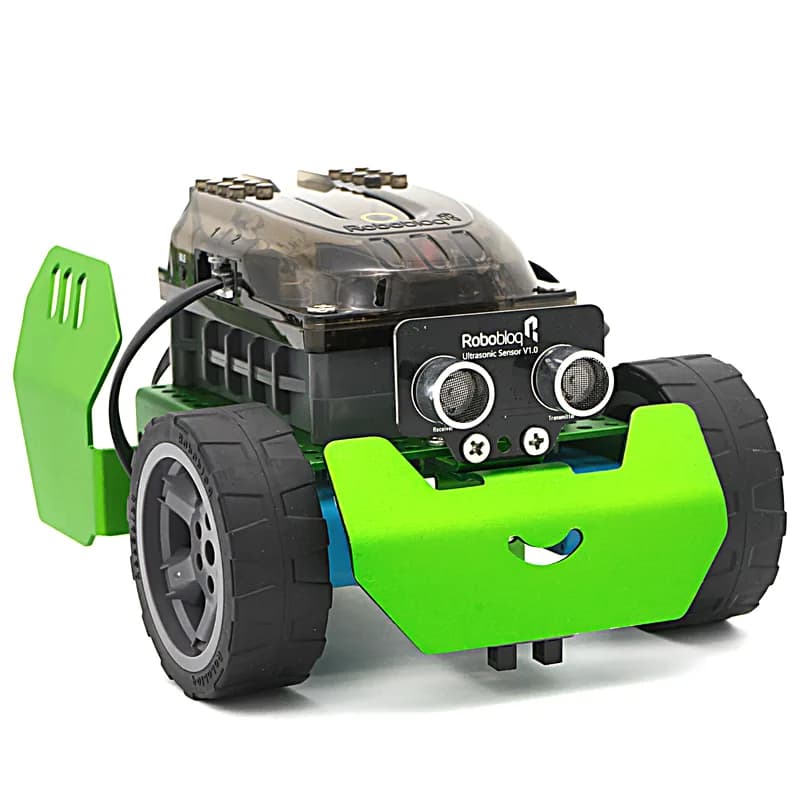
Robobloq's entry-level metal robot: the aluminium chassis assembles in about half an hour and handles runs beyond the desk — outdoors included. An ultrasonic sensor with RGB lighting and a line-tracking sensor cover the core scenarios: obstacle avoidance and track following. A clear first step before the bigger Qoopers kit.
Specifications
- Material
- Aluminium alloy
- Controller
- Qmind (Arduino-compatible)
- Sensors
- Ultrasonic with RGB lighting, line-tracking sensor
- Connectivity
- Bluetooth 4.0
- Power
- 6 × AA batteries
- Assembly
- approx. 30 minutes
Request catalog accessPrices — on request
Applications
- A first build-it-yourself robot for ages 6+
- Line following on a practice track
- Autonomous obstacle avoidance
- Progressing from block code to Arduino and Python
Alternatives
Similar models in our catalog
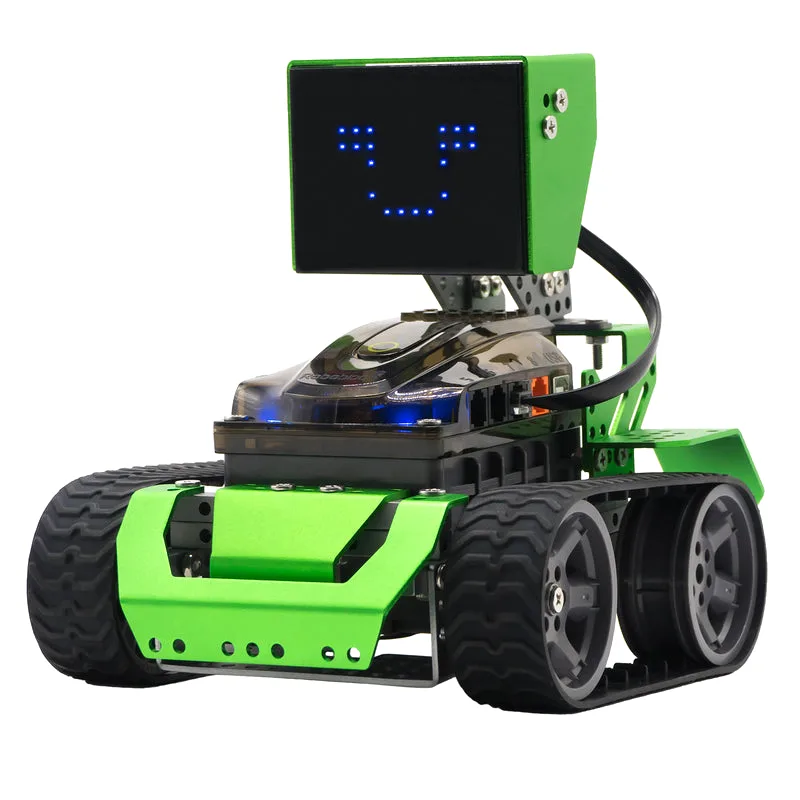 RobobloqQoopersA transformable 6-in-1 metal construction kit: 174 aluminium-alloy parts build six different robots, from a tracked rover to a dozer. The Qmind Plus controller is Arduino-compatible, so the learning path runs long: app control, Scratch, then Python and C. A rugged kit built to survive years of club use.Open →
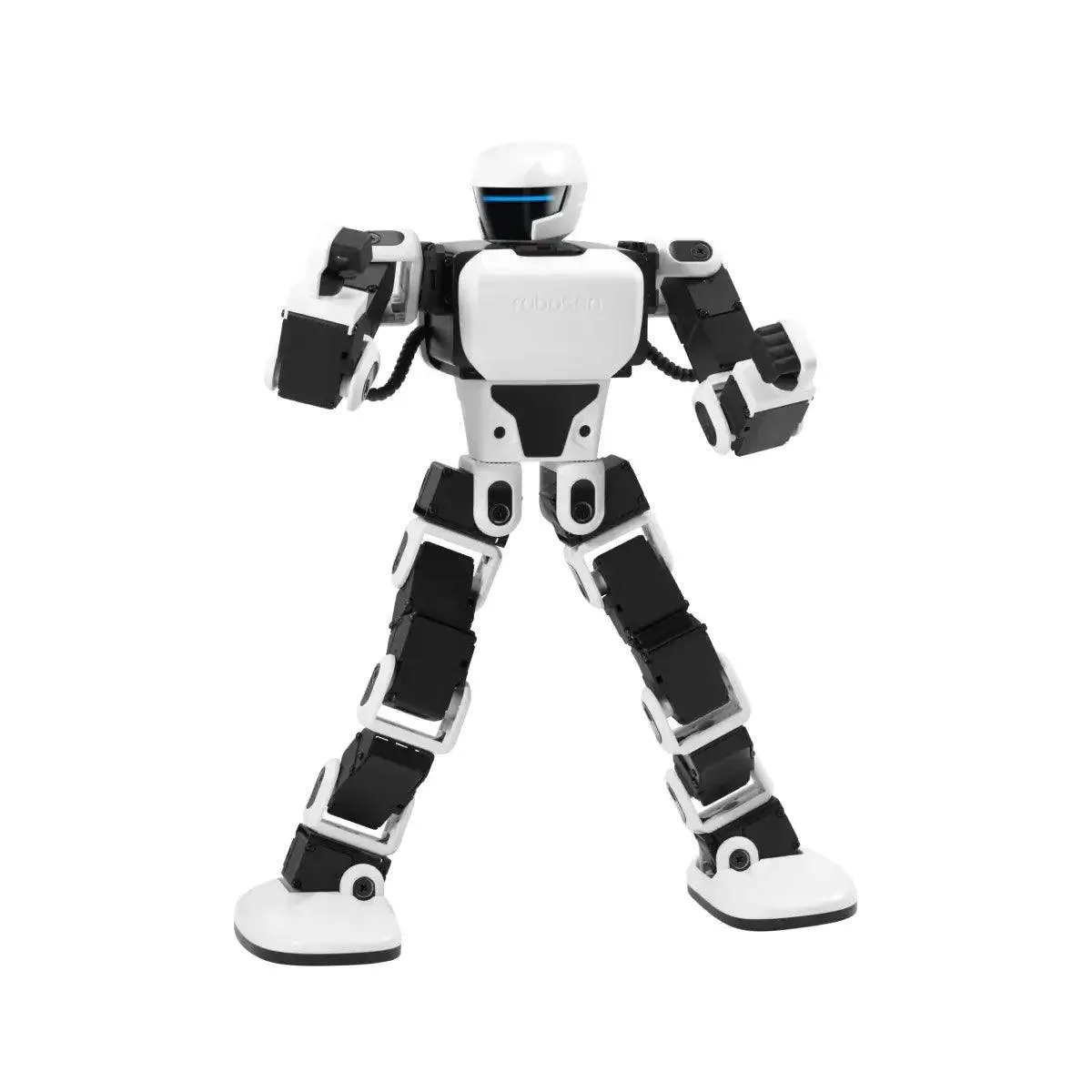 RobosenInterstellar Scout K1A bipedal programmable robot with 17 servo motors and an aluminum alloy frame. It walks, keeps its balance and responds to 41 voice commands; programming is done via blocks, voice or direct joint positioning in the app. A practical tool for STEM classes and robotics clubs.Open →
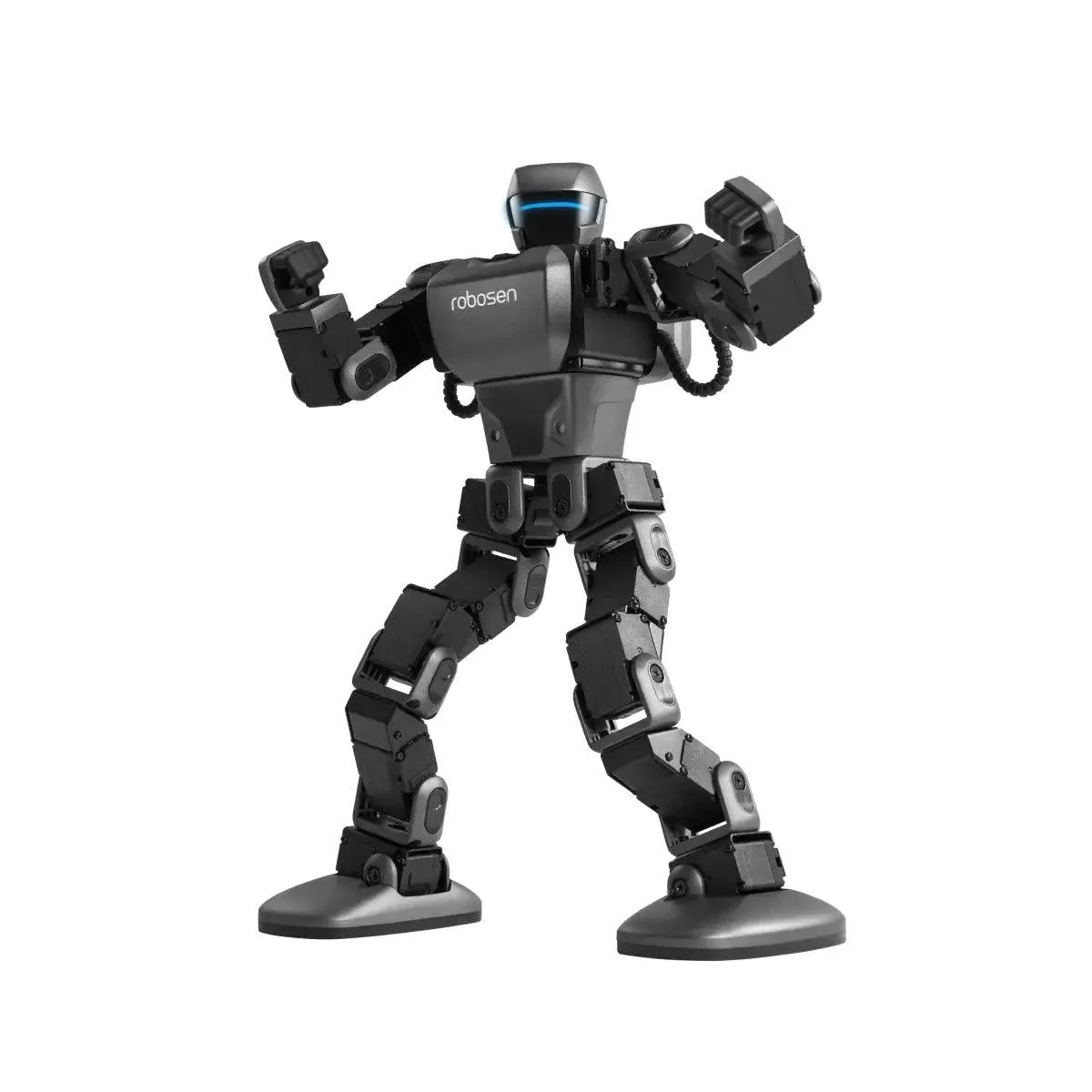 RobosenInterstellar Scout K1 ProThe higher-tier version of the K1 walking robot: the same 17-servo mechanics, but twice the voice commands (81), 75 pre-installed actions and an aerospace-grade body with a matte finish. Suited for classrooms that need a more expressive demo robot with an extended motion library.Open →
 RoboticalMarty the Robot V2A walking humanoid classroom robot developed in Scotland. Nine servo motors give Marty a genuine gait: it walks, turns, dances and kicks a ball — holding children's attention better than wheeled platforms. Programmable from Scratch blocks up to Python, and expandable with Raspberry Pi and micro:bit.Open →