Education kitsKUBO RoboticsDenmark
KUBO Coding
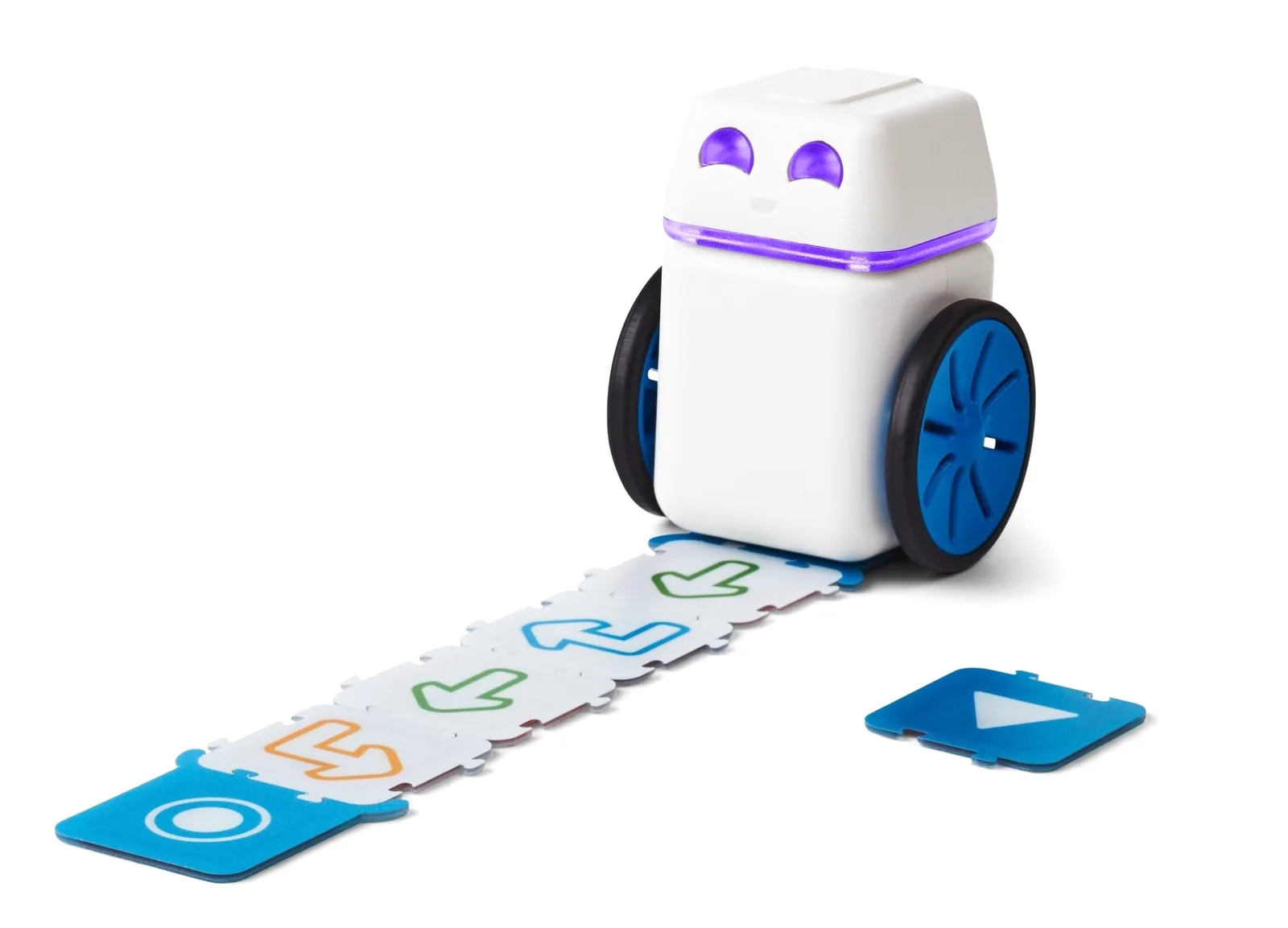
A Danish educational robot for the youngest learners: fully screen-free coding. Children lay out a puzzle of TagTile pieces on the desk, and KUBO reads it and runs the route — functions, subroutines and loops are learned hands-on. Designed for kindergartens and primary schools, up and running in five minutes with no teacher training.
Specifications
- Programming
- TagTile pieces, screen-free
- Runtime
- approx. 4 h
- Charging time
- approx. 2 h
- Age range
- 4+
Request catalog accessPrices — on request
Applications
- First algorithmics lessons in kindergarten
- Basics of functions and loops in primary school
- Cross-curricular activities: maths and language through robot movement
- Classrooms without tablets or computers
Alternatives
Similar models in our catalog
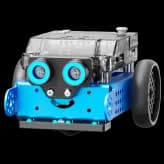 MakeblockmBot2The second generation of Makeblock's most widely used classroom robot. The Wi-Fi-enabled CyberPi controller unlocks AI and IoT topics, while precise sensors — an illuminated ultrasonic unit and a quad RGB line sensor — support serious classroom projects. One ecosystem from block code all the way to Python.Open →
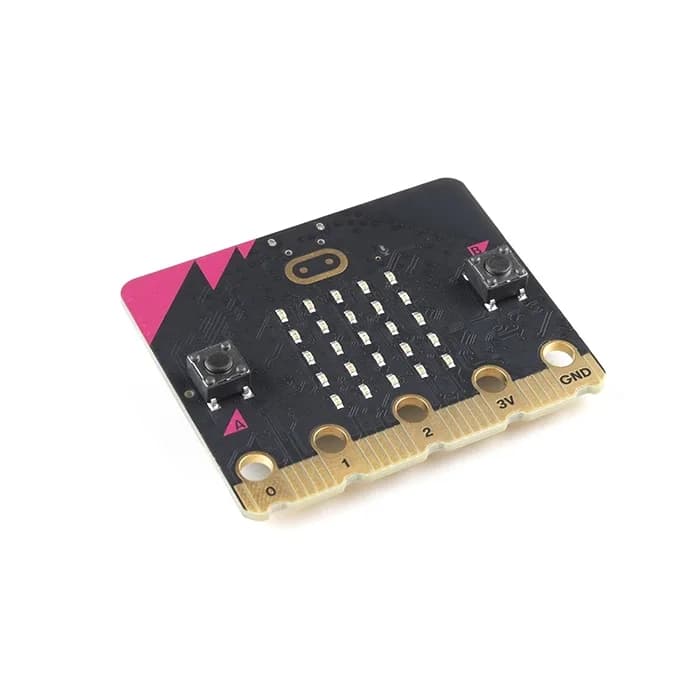 Micro:bit Educational FoundationBBC micro:bit V2A pocket-sized programmable computer that has become the global standard for classroom electronics. Version 2 adds a Cortex-M4 processor, microphone, speaker and touch-sensitive logo — everything for dozens of solder-free projects on a single board. The foundation of entire ecosystems of educational robots and sensors.Open →
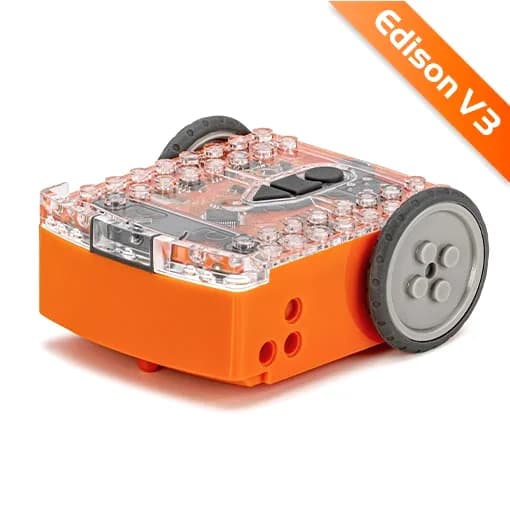 MicrobricEdison V3Pocket-sized educational robot from Australia for primary and middle school. Ready out of the box: obstacle, line, light and sound sensors are built in, and the body is LEGO-brick compatible. Three programming environments — from EdBlocks to text-based EdPy — grow with the student.Open →
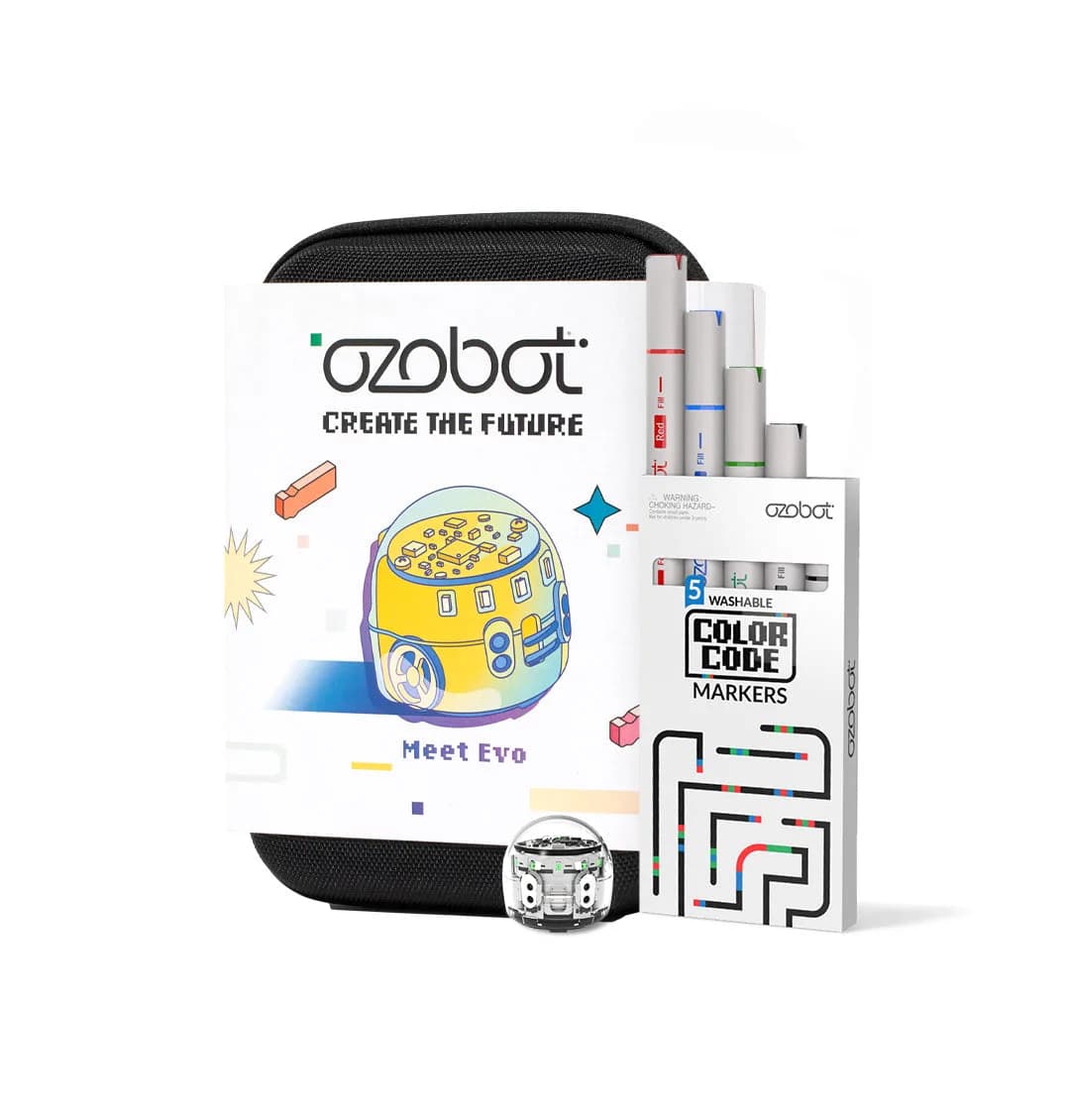 OzobotOzobot EvoA miniature robot that teaches coding two ways: screen-free — with colour codes drawn on paper using markers, and on screen — in the OzoBlockly block environment. Optical sensors read lines and colour sequences; infrared sensors detect obstacles. One of the lowest entry barriers to algorithmics for schools.Open →