Education kitsMicro:bit Educational FoundationUnited Kingdom
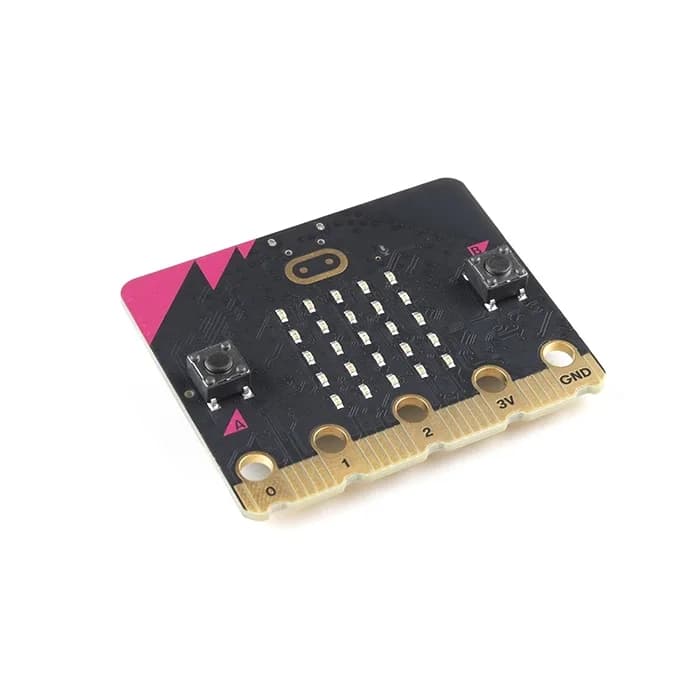
BBC micro:bit V2
A pocket-sized programmable computer that has become the global standard for classroom electronics. Version 2 adds a Cortex-M4 processor, microphone, speaker and touch-sensitive logo — everything for dozens of solder-free projects on a single board. The foundation of entire ecosystems of educational robots and sensors.
Specifications
- Processor
- Nordic nRF52833, ARM Cortex-M4, 64 MHz
- Memory
- 512 KB flash, 128 KB RAM
- Display
- 5×5 matrix of 25 LEDs
- Connectivity
- Bluetooth 5.0, 2.4 GHz radio
- Sensors
- Accelerometer, magnetometer, temperature, microphone
- Audio
- Built-in speaker
Request catalog accessPrices — on request
Applications
- Computer-science and physics lessons
- The brain for robot platforms (Maqueen and others)
- Smart-home and wearable-electronics projects
- Electronics and coding clubs
Alternatives
Similar models in our catalog
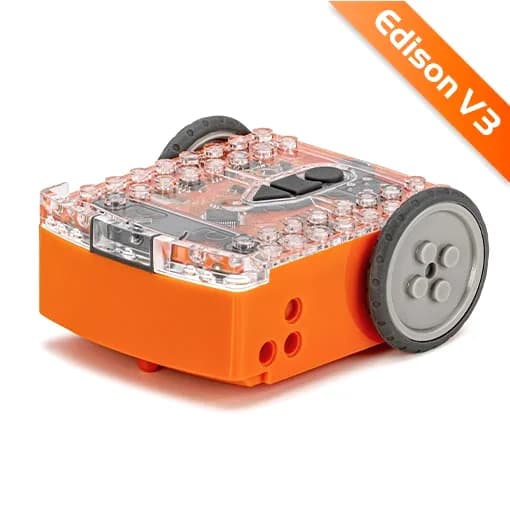 MicrobricEdison V3Pocket-sized educational robot from Australia for primary and middle school. Ready out of the box: obstacle, line, light and sound sensors are built in, and the body is LEGO-brick compatible. Three programming environments — from EdBlocks to text-based EdPy — grow with the student.Open →
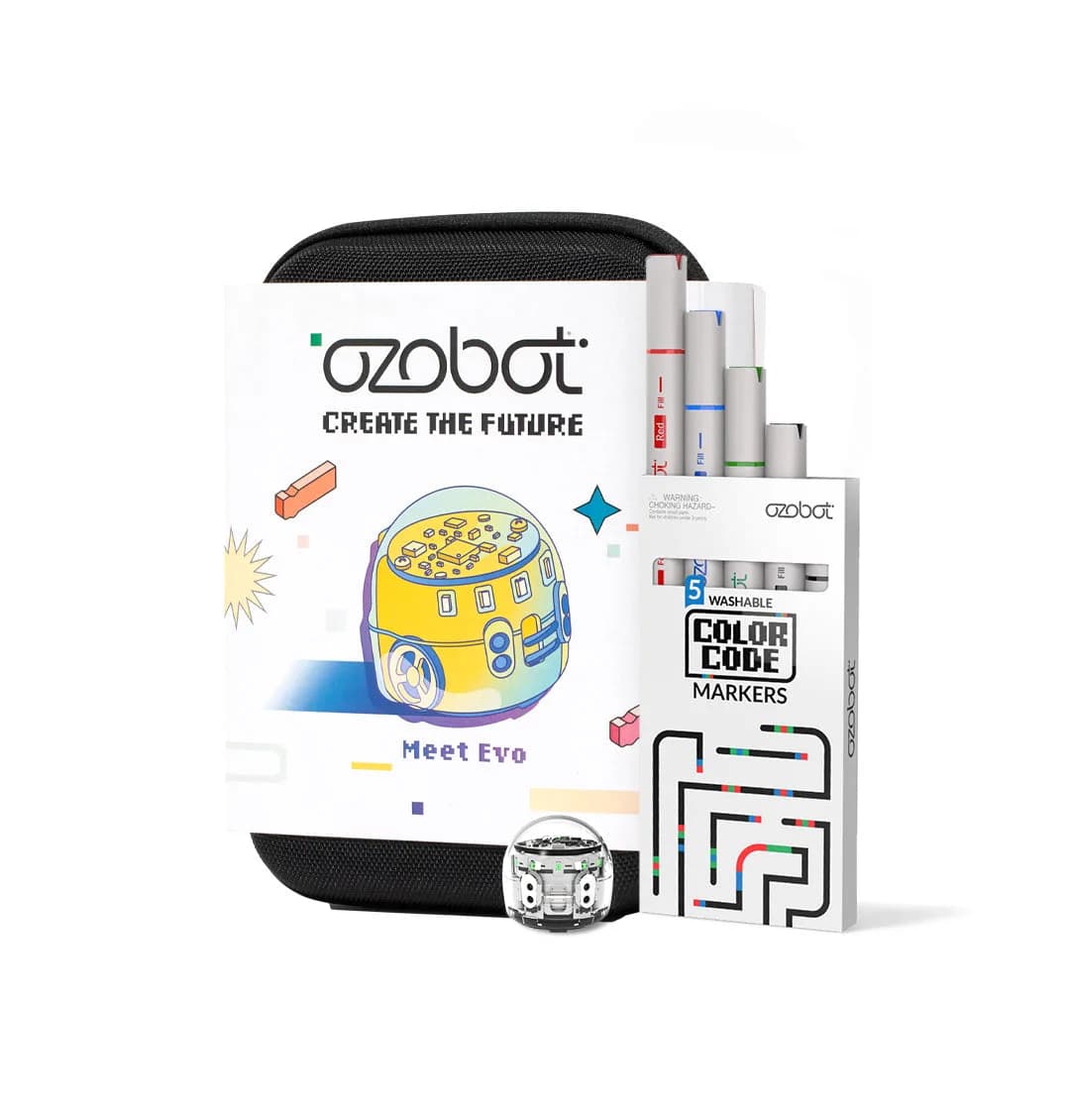 OzobotOzobot EvoA miniature robot that teaches coding two ways: screen-free — with colour codes drawn on paper using markers, and on screen — in the OzoBlockly block environment. Optical sensors read lines and colour sequences; infrared sensors detect obstacles. One of the lowest entry barriers to algorithmics for schools.Open →
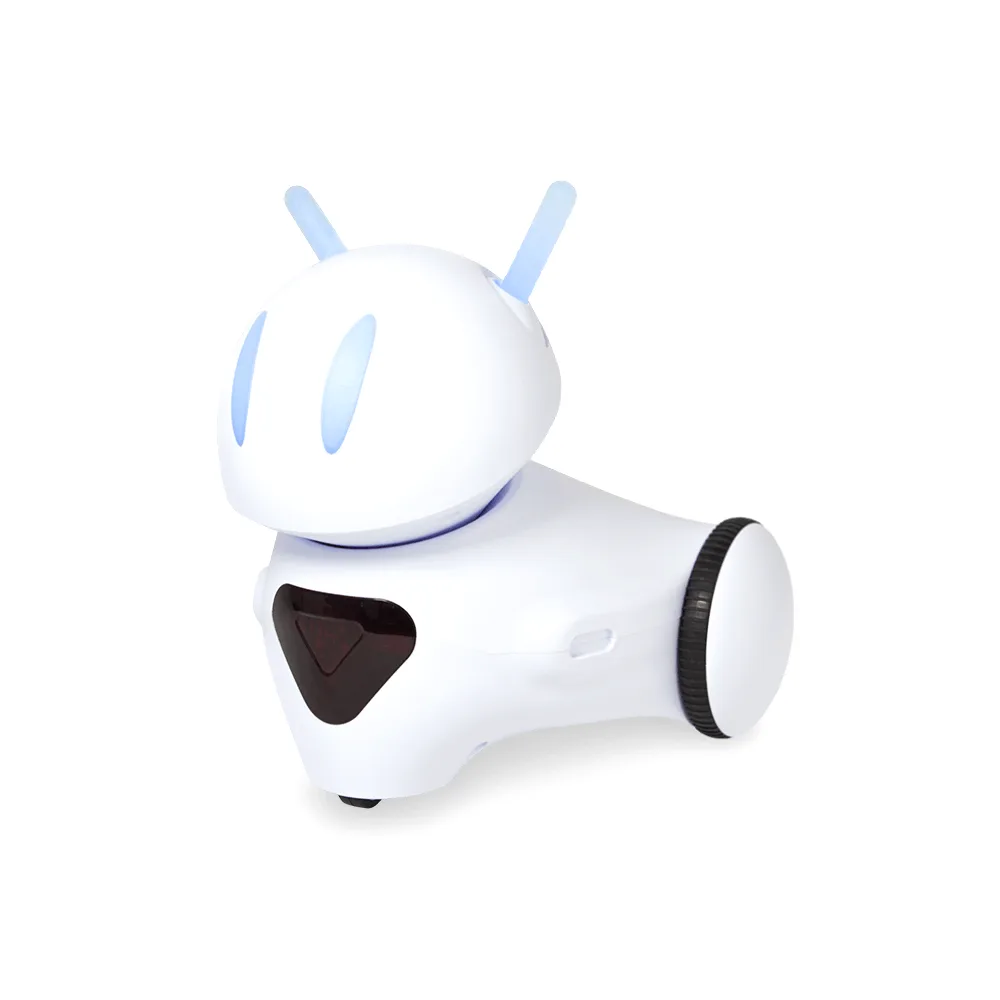 Photon EducationPhoton EDUA Polish educational robot designed together with teachers around the school curriculum. Its sensor set — distance, sound, light, touch, floor markings — is backed by a teaching platform with ready-made lesson scenarios: a teacher's tool rather than a toy. It grows with the student, from simple apps to block coding.Open →
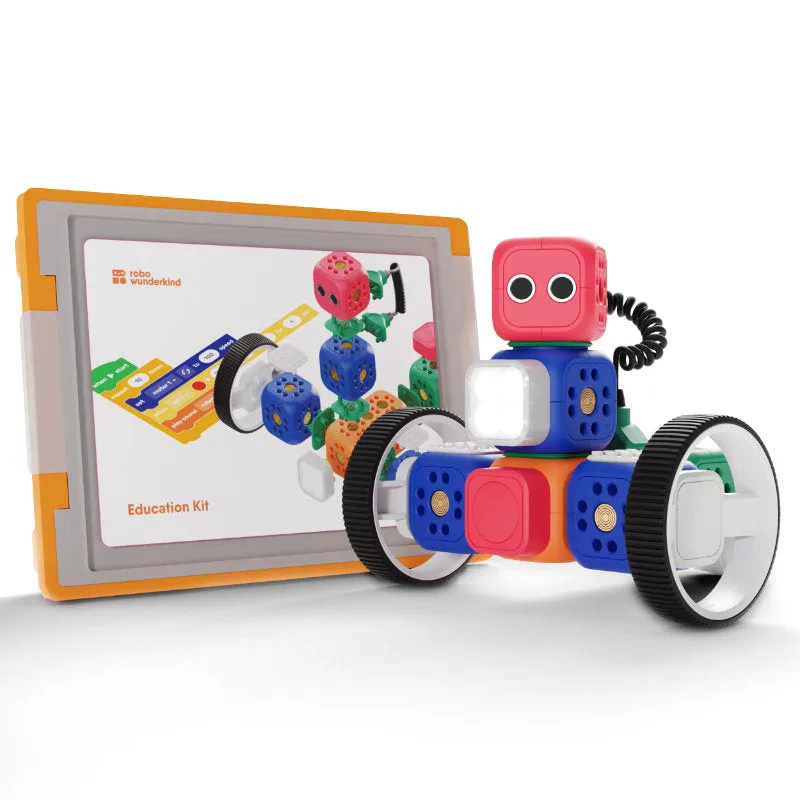 Robo WunderkindRobo Wunderkind Education KitA modular kit of color-coded electronic blocks compatible with LEGO bricks: motors, sensors and connectors snap into working robots without tools. The app guides children through three levels — from real-time control to full Blockly coding. A proven choice for kindergartens and primary schools.Open →