Call stations: the small box that makes the ROI
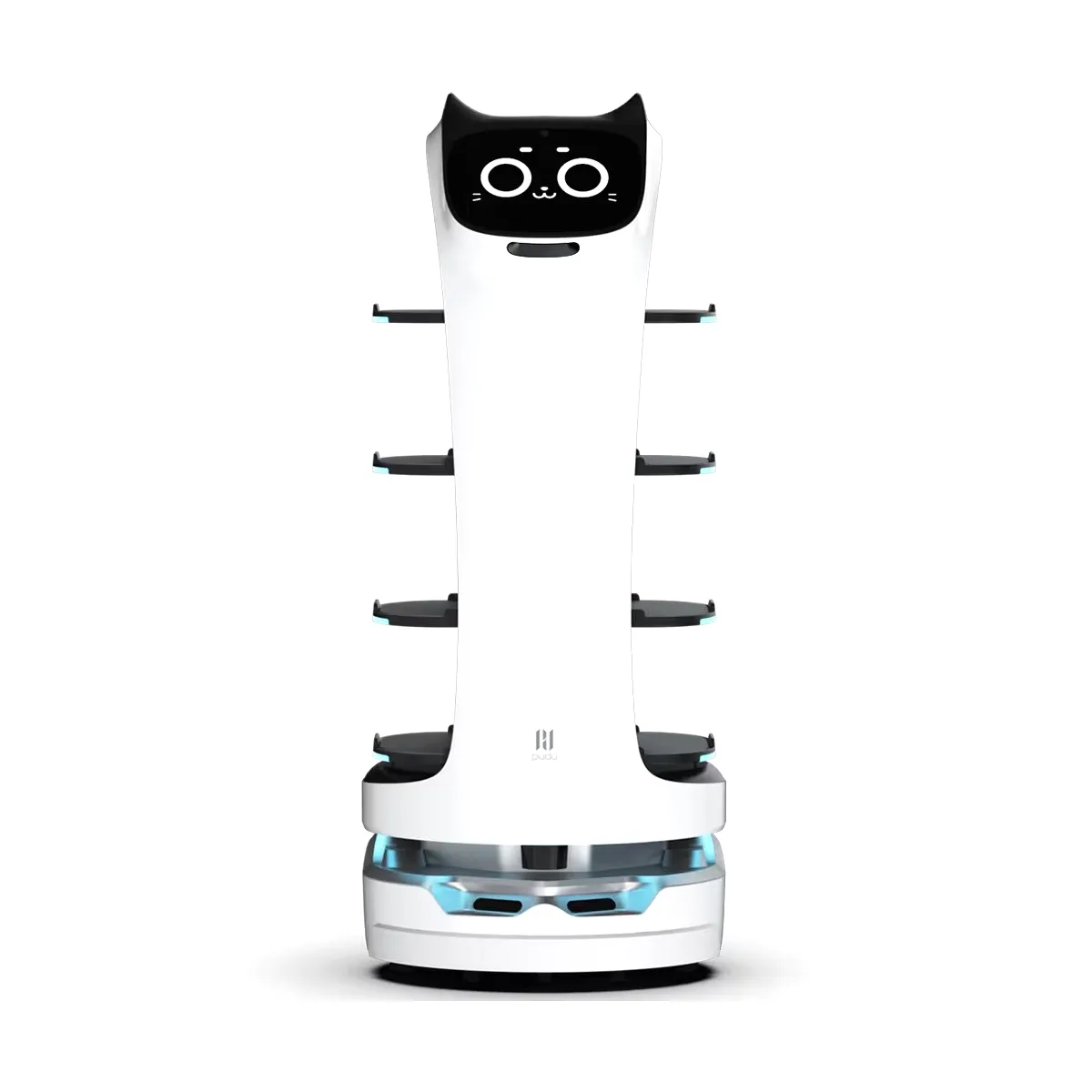
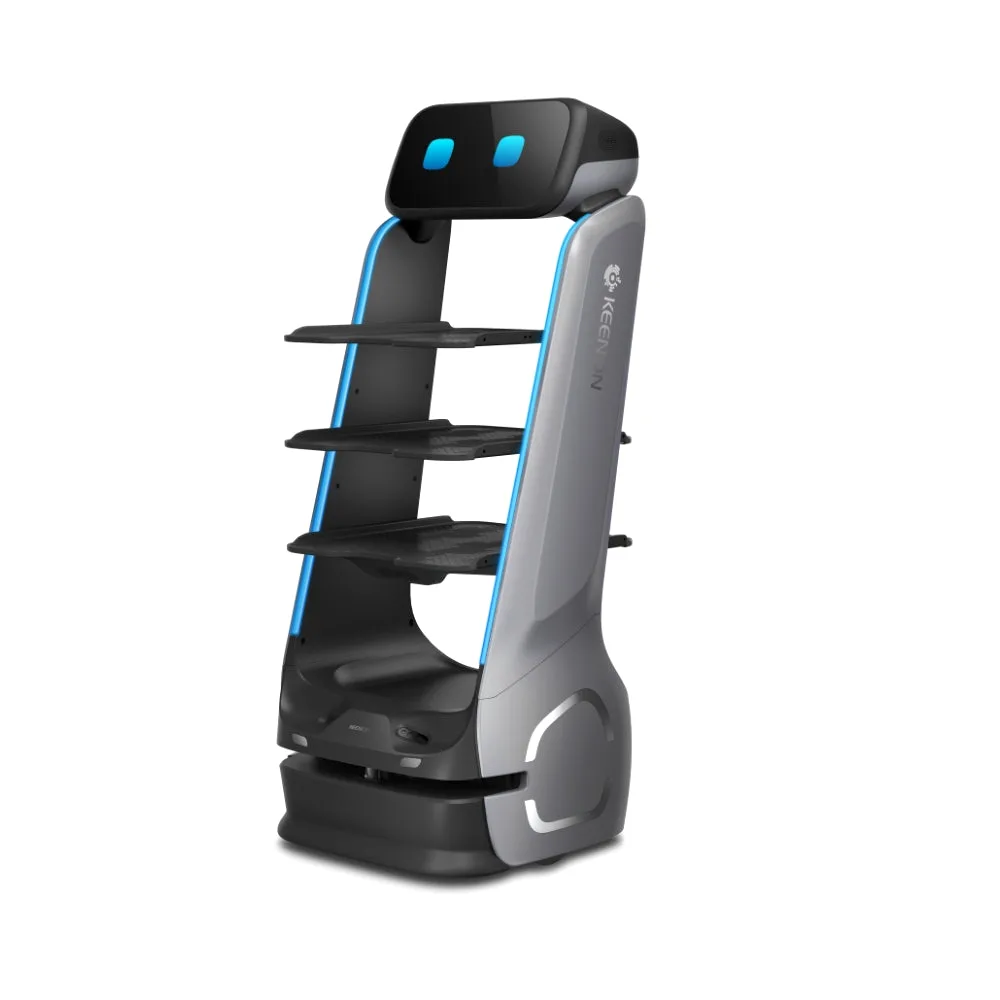
Robot waiter call stations: the most invisible budget line, yet they decide whether the machine carries money or air. A before-and-after case and a checklist.
The mechanics are simple. Without calls, a robot lives in two modes: cruising on a schedule (half the runs empty) or waiting for a waiter to grab it at the pass (then why have it at all). A button on the table turns chaos into a task queue — and a queue can be managed.
Data from the “BellaBot: 6 months of telemetry” site. Stations added in week three.
Part 01
How it works
A press goes into the orchestrator's queue; priorities weigh the zone, waiting time and machine load. The kitchen sees calls in the KDS, the waiter on a pager. The robot stops being a toy that drives around and becomes the floor's transport layer — one with metrics.
A robot waiter's ROI does not live in the robot. It lives in the call queue.
Part 02
Buying checklist
Radio and range
Protocol and frequency must punch through a kitchen full of metal and steam. Ask for a test on your site, not “it usually works”.
Power and mounting
CR cells outlive AAA; the mount must survive table cleaning, not double-sided tape.
Compatibility with the robot model
A third-party station may not register in the orchestrator. Compatibility goes into the spec in writing.
A 10–15% spare stock
Buttons get lost, drowned and pocketed. Spares in the first shipment beat an air-freight reorder.
Stations come inside the Restaurant package
In the package they ship together with orchestration and staff training — because on its own this line does not work. The calculator shows the effect on your floor.
Want to map this onto your site?
The two-minute audit suggests the right format — catalog, package or custom project. Or write to us directly: the conversation starts with your numbers, not a slide deck.